Commercial Water Damage in Seymour: Real Recovery Stories
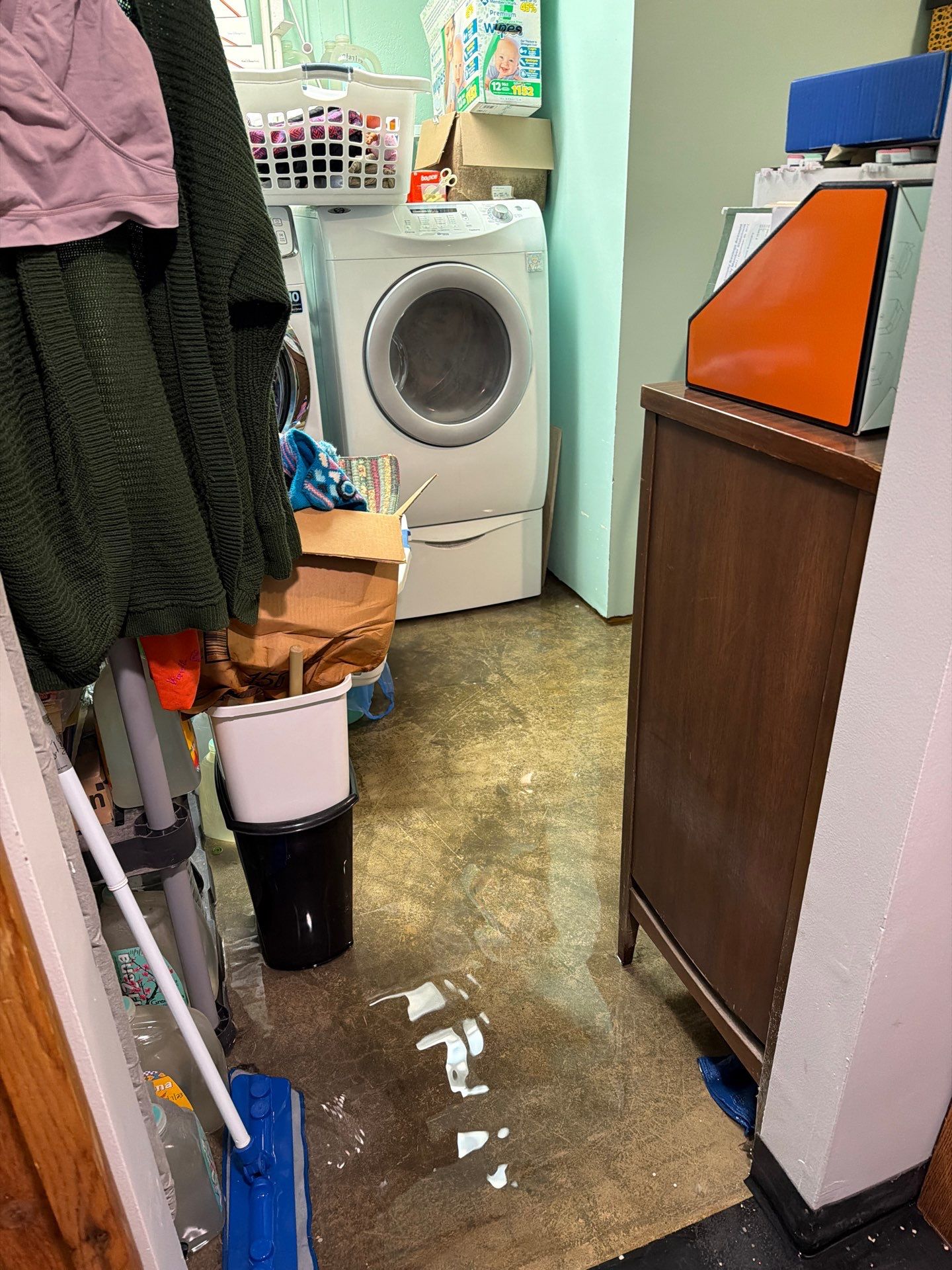
The call usually comes before sunrise. A property manager in Seymour walks into the lobby and hears the hiss of a supply line that let go sometime around 2 a.m. By the time the shutoff is found, two thousand square feet of carpet are saturated, ceiling tiles are sagging over the front desk, and the server closet is one bad inch away from a very expensive Monday. At Seymour Water Restoration, this is the scenario we have built our commercial response around since 2018, and it is the one we want you prepared for before it ever happens to your building.
Commercial water loss is not a bigger version of a residential claim. It is a different animal. You have tenants asking when they can come back, employees standing in the parking lot, inventory on the floor, point of sale equipment that cannot get wet, and a clock that started ticking the moment the water did. Every hour you wait on extraction is another hour mold spores have to wake up, another hour drywall wicks moisture higher, and another hour your revenue sits frozen. The honest truth is that the first six to twelve hours decide whether your Seymour business reopens this week or next month, and that window is exactly what this guide is built to protect.
What Actually Happens in the First Hours After a Commercial Loss
When our crews roll out to a commercial address in Seymour, the first thing we do is not unload equipment. It is walk the building with you, identify the source, confirm it has been stopped, and classify the water. The IICRC S500 standard breaks water into three categories, and that classification drives everything downstream, including what insurance will pay for. Category 1 is clean water from a supply line or a drinking fountain. Category 2 is gray water from a dishwasher overflow or a washing machine discharge, carrying enough contamination to make people sick. Category 3 is black water, the kind that comes from a sewer backup, a toilet trap seal failure, or floodwater from outside, and it requires aggressive containment and disposal of porous materials. If you are dealing with the third type, our commercial sewage cleanup team handles the biohazard side under separate protocols, and we document every step for your carrier.
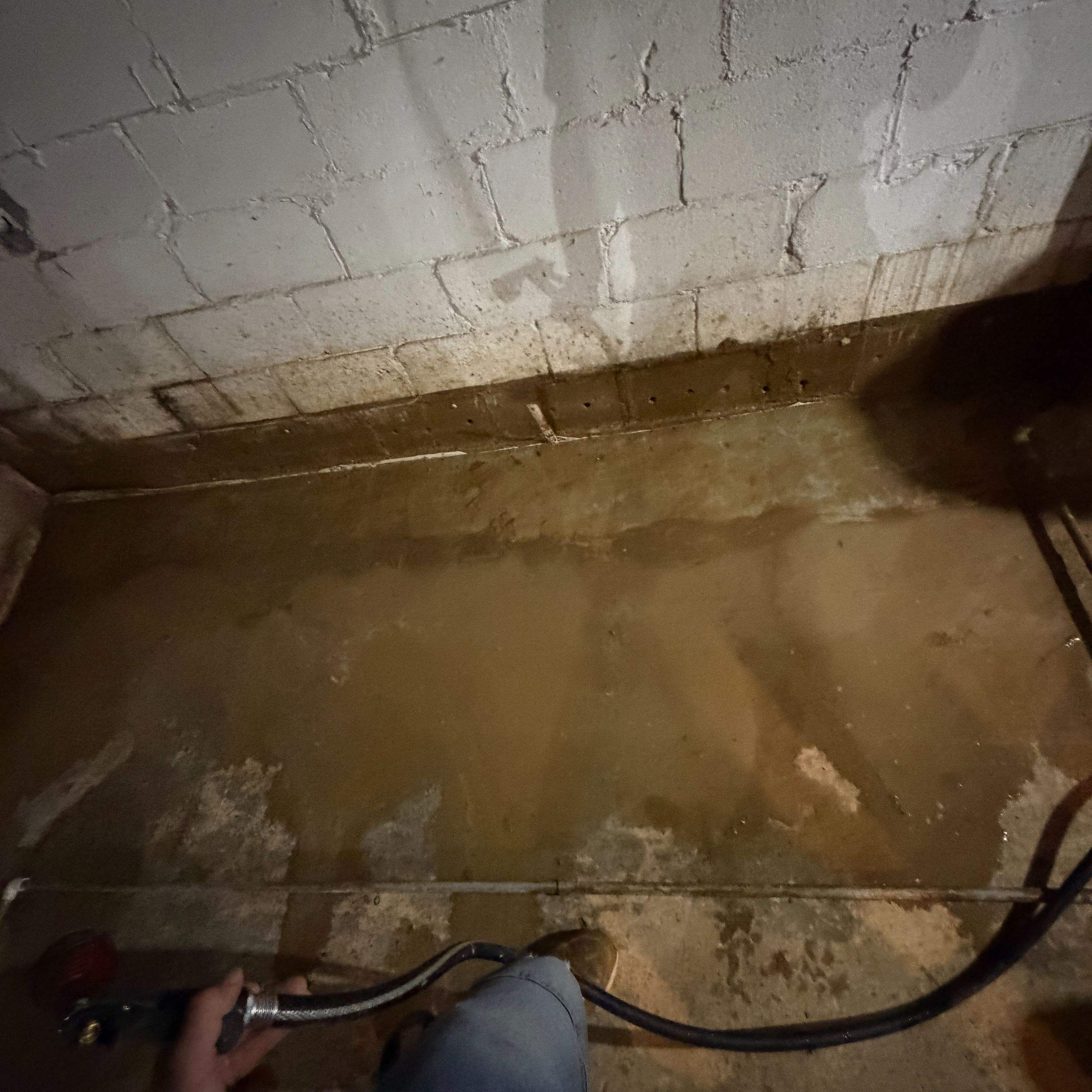
Once the water is classified, extraction starts immediately. For a mid sized office or retail space in Seymour, we are typically pulling between 200 and 600 gallons of standing water in the first pass using truck mounted units and weighted extractors that compress carpet pad to squeeze out trapped moisture. Numbers matter here. A single saturated commercial carpet tile can hold a pound of water, and a wet wall cavity can release moisture for days if it is not actively dried. We map the affected area with thermal imaging and penetrating meters, then write a drying plan with target moisture content for each material before a single air mover gets plugged in.
The walkthrough also covers what we call secondary exposure, the parts of the building that did not get hit directly but sit in the path of migrating moisture. Water travels through wall cavities, under baseboards, through electrical chases, and down stair stringers far faster than most owners realize. A second floor pipe break in a Seymour Water Restoration-serviced office tower can deliver wet drywall to three floors below within 2 hours. We pull baseboard, drill weep holes in unfinished sides of walls when appropriate, and lift carpet at the seams to inspect pad and tackless strip. The goal is not to tear up your building. The goal is to find every wet pocket before it turns into a mold problem two weeks from now, when your tenants start asking why the hallway smells musty.
What It Costs and What to Expect From a Straight Answer
Commercial restoration pricing in Seymour varies more than residential because the variables are wider. A small Category 1 office loss might land between 3,500 and 8,000 dollars. A mid sized Category 2 event in a 10,000 square foot warehouse often runs 15,000 to 40,000 dollars depending on contents handling, equipment days, and whether subfloor or insulation has to come out. Category 3 jobs and large flood events can climb past six figures, especially when mechanical systems, electrical panels, or refrigeration are affected. We give you a written estimate before work begins, we update it in writing if scope changes, and if your loss is small enough that you would rather handle it in house, we will tell you that too. If we cannot help, we will tell you directly, and we will point you toward someone who can.
Preparation is the cheapest form of protection. Know where your main shutoff is, label it, and make sure your overnight staff knows too. Photograph your space quarterly so you have pre loss documentation ready when an adjuster asks. Keep a copy of your policy declarations page somewhere other than the building itself. And save a 24 hour restoration number in your phone now, before the call you hope you never have to make. Seymour Water Restoration answers that line around the clock, and the crew that picks up is the same crew that will be standing in your lobby an hour later, ready to get your building, and your business, back on its feet.
Drying, Documentation, and the Insurance Conversation
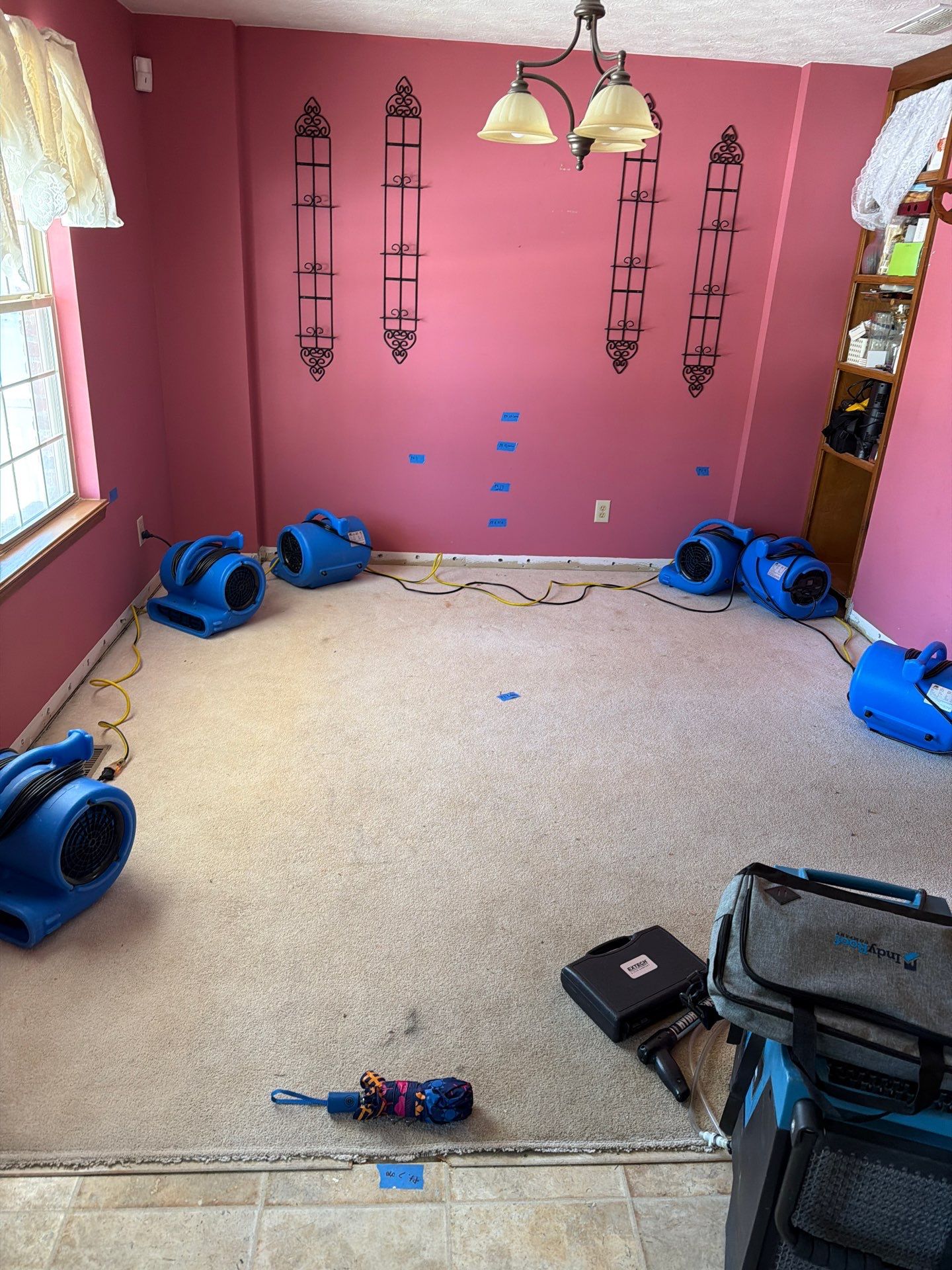
Here is where commercial jobs separate themselves from residential ones. Your adjuster is going to want daily moisture logs, photographs, equipment counts, and a scope written in Xactimate. We produce all of that without you asking, because we know your claim moves faster when the paper is clean. A typical drying chamber for a 4,000 square foot loss might run 30 to 60 air movers, six to ten dehumidifiers sized in pints per day, and HEPA air scrubbers if the affected area sits inside a tenant occupied zone. We monitor and adjust the chamber every 24 hours, and most structures hit dry standard in three to five days. Hardwood, concrete slabs, and plaster can stretch that to a week or more, and we will tell you that on day one rather than day five.
The conversation about business interruption coverage is one we have with every owner. If your policy includes BI, the meter for lost revenue starts the day of the loss, not the day you decide to file. Containment matters here too. By isolating the wet zone with poly sheeting and negative air, we often keep half of your operation running while we dry the other half. A restaurant in Seymour kept its bar open while we dried the dining room behind a containment wall. A medical office saw patients in three exam rooms while we restored the other four. That kind of phased work is not magic, it is planning, and it is the difference between a two week shutdown and a two day inconvenience.
For larger losses involving roof failure, hail driven leaks, or wind driven rain through a compromised envelope, the scope often expands into structural drying combined with exterior repair. Our commercial storm damage team coordinates with roofers and glaziers so the building gets buttoned up before the next front rolls through central Indiana. If mold is already visible when we arrive, which happens when a slow leak went undetected for weeks behind a kickplate or above a drop ceiling, we transition into containment and remediation under the same project number through our commercial mold remediation protocols. One vendor, one chain of documentation, one point of contact for your adjuster.
Contents are the part of a commercial loss that gets overlooked until the final invoice arrives. Inventory, files, electronics, fixtures, and finished goods all need to be triaged within the first 24 to 48 hours. We pack out salvageable items to a climate controlled facility, photograph and barcode each carton, and run document drying or freeze drying protocols on paper records that cannot be replaced. For retail clients, we work overnight so the showroom can reopen by morning with whatever inventory remains sellable. For manufacturers, we coordinate with your production manager on which raw materials are time sensitive and which can wait a day for cleaning. Every item that gets restored instead of replaced is a line item your carrier does not have to write a check for, and that math matters at renewal time.
When the Water Is Already Moving, Call
Commercial losses do not pause for business hours, and neither do we. Seymour Water Restoration dispatches IICRC certified crews across Seymour around the clock, carries a BBB A+ rating, and treats your claim documentation with the same seriousness as the drying itself. Call when the water starts, not after you have tried to handle it yourself. The sooner we are on site, the smaller the loss becomes, and the faster your doors open again.
Frequently Asked Questions
How fast can Seymour Water Restoration respond to a commercial loss in Seymour?
We target on-site arrival within 60 to 90 minutes of your call in the Seymour service area, with extraction equipment and an IICRC-certified lead tech on the first truck.
Will my commercial policy cover a sewer backup?
Only if you carry a sewer and drain backup endorsement. Standard property policies exclude it. We document the loss origin so your Seymour adjuster has clear evidence either way.
Do you work directly with my insurance carrier?
Yes. Seymour Water Restoration provides full moisture documentation, scope, and photo logs in the format adjusters expect, which usually shortens approval and payment cycles.
Can my business stay open during mitigation?
Sometimes. We can often isolate the affected area with containment and run equipment after hours. For Category 3 losses or large affected zones, partial or full closure is usually required for safety.
What is the difference between drying and restoration?
Drying brings materials back to dry standard. Restoration replaces what cannot be saved, like cut drywall, flooring, or millwork. Seymour Water Restoration handles both phases so your Seymour property reopens fully restored.
Have a restoration question?
Our IICRC certified Seymour crew is ready to help. Free assessments, written scopes, no pressure.